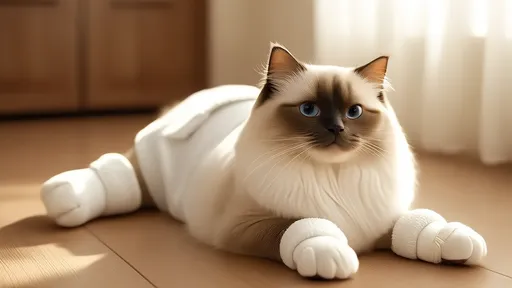
The Snowshoe cat, with its striking white gloves and boots, embodies a unique aesthetic that captivates feline enthusiasts and designers alike. This breed’s distinctive markings aren’t just a genetic quirk—they’re a visual symphony of contrast and elegance, evoking a sense of ceremonial grace. The juxtaposition of dark fur against pristine white paws creates a natural tuxedo effect, as if the cat is perpetually dressed for a gala. It’s no wonder this look has inspired everything from fashion runways to home decor trends, where the concept of "dressed paws" translates into human accessories and interior accents.
What makes the Snowshoe’s markings particularly mesmerizing is their precision. Unlike random white patches seen in other bicolor cats, the gloves and boots follow an almost algorithmic symmetry. The front paws typically sport mittens that stop at the wrist, while the rear legs boast knee-high socks with clean lines. This isn’t just cute—it’s geometric perfection. Photographers often exploit this natural contrast in monochrome portraits, where the cat becomes a living study in negative space. The effect is so powerful that some ad agencies have used Snowshoe imagery to sell high-end watches and leather goods, associating the breed’s innate sophistication with luxury branding.
The cultural resonance of this feline fashion statement spans continents. In Japan, where the concept of "kawaii" meets minimalist design, Snowshoes are Instagram superstars. Their paws are frequently compared to tabi socks worn by maiko dancers, creating a bridge between traditional aesthetics and modern pet culture. Meanwhile, European artists have depicted Snowshoe-like markings in medieval manuscripts, suggesting an enduring appeal across centuries. This transnational appreciation raises fascinating questions about why humans project such ceremonial importance onto feline footwear—are we seeing cats as tiny dignitaries, or does their poised demeanor genuinely command respect?
Breeders report that Snowshoe kittens’ markings develop like a slow-reveal magic trick. Born white, their "footwear" gradually darkens at the edges over weeks, like ink diffusing through paper. This delayed gratification adds to the breed’s mystique, making each cat’s final pattern a surprise even to experts. Some develop spats (ankle straps), others get thigh-high stockings—no two distributions are identical. This variability has led to a niche market for Snowshoes with "designer specs," where enthusiasts pay premiums for specific sock heights or glove symmetry. It’s a controversial practice that sparks debates about whether we’re appreciating natural beauty or imposing human vanity on animal genetics.
The Snowshoe’s aesthetic influence extends beyond the cat world. High-fashion designers have replicated the glove effect in winter collections, with models sporting mittens that mimic the breed’s crisp color blocking. Furniture makers create "Snowshoe-inspired" ottomans with white upholstered feet against dark wooden legs. Even the tech industry has borrowed this visual language—several minimalist phone cases feature the cat’s distinctive paw print gradient. This cross-industry homage suggests the Snowshoe’s markings tap into a deeper human attraction to balanced contrast, one that transcends species and translates effortlessly into design principles.
Perhaps the most intriguing aspect is how the cats themselves interact with their signature feature. Owners report Snowshoes seem aware of their elegant extremities, often pausing mid-stride to examine their paws or deliberately placing white-gloved feet on dark surfaces for maximum visual impact. Some behaviorists suggest this could be coincidental, but countless viral videos show Snowshoes posing with near-theatrical awareness. Whether instinct or accident, this apparent flair for drama reinforces the breed’s association with ceremonial presence—as if they’re not just wearing gloves, but performing in them.
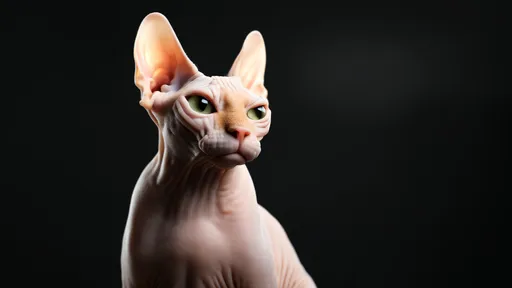
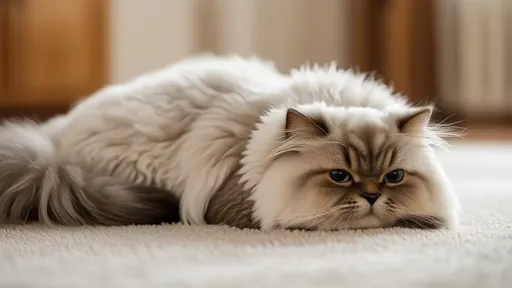
As cat shows increasingly prioritize natural markings over cosmetic grooming, the Snowshoe’s genetic lottery becomes its greatest asset. Where Persians require meticulous brushing and Sphynxes need sunscreen, Snowshoes wow judges simply by existing. This low-maintenance glamour resonates with modern pet owners who crave aesthetic appeal without artifice. The breed’s rising popularity signals a shift toward celebrating animals’ innate design rather than forcing them into human beauty standards—though ironically, it’s the Snowshoe’s accidental resemblance to formalwear that makes it so appealing to those very humans.
The phenomenon raises philosophical questions about anthropomorphism. Do we love Snowshoes’ gloves because they mirror human rituals (white-tie events, surgical scrubs, bridal veils), or have we subconsciously adopted these symbols from observing nature? Historical records show muticolored cats were considered sacred in multiple ancient cultures, often associated with deities who wore elaborate costumes. Maybe the Snowshoe doesn’t just remind us of our ceremonies—maybe our ceremonies have always been trying to capture their effortless majesty.
One thing’s certain: in a world of viral pet content, the Snowshoe’s markings are biological SEO. That crisp color blocking reads perfectly on small screens, making every photo inherently shareable. But beyond internet fame lies a deeper truth—this breed’s beauty isn’t just skin deep. Those white boots walk a fine line between wild feline ancestry and domestic refinement, between random genetic expression and what humans perceive as intentional design. The Snowshoe doesn’t just wear its elegance; it lives it, one perfectly placed paw at a time.
By /Jun 12, 2025
By /Jun 12, 2025
By /Jun 12, 2025
By /Jun 12, 2025

By /Jun 12, 2025
By /Jun 12, 2025
By /Jun 12, 2025
By /Jun 12, 2025
By /Jun 12, 2025
By /Jun 12, 2025
By /Jun 12, 2025
By /Jun 12, 2025
By /Jun 12, 2025
By /Jun 12, 2025
By /Jun 12, 2025
By /Jun 12, 2025
By /Jun 12, 2025
