The art of crafting the perfect durian mille crepe cake lies in mastering two fundamental elements: the precise temperature control of your skillet and the delicate balance of your batter's consistency. While many home bakers focus solely on the filling, seasoned pastry chefs know that the foundation of this Southeast Asian delicacy rests upon these often-overlooked technical details.
When it comes to skillet temperature, we're not simply discussing "high" or "low" heat settings. The ideal range for cooking crepe layers falls between 325°F to 350°F (163°C to 177°C), a sweet spot that allows the batter to set quickly without burning or developing tough, rubbery textures. Professional kitchens often use infrared thermometers to monitor their cooking surfaces, but home bakers can employ the classic water droplet test - when droplets skitter across the surface without immediately evaporating, you've reached the proper temperature.
The relationship between batter viscosity and heat intensity creates a fascinating culinary dance. Thinner batters demand slightly higher temperatures as they contain more water that needs rapid evaporation, while thicker batters require gentler heat to allow proper cooking throughout without excessive browning. Many failed crepe attempts stem from mismatching these variables - a thick batter on high heat will brown before cooking through, while a thin batter on low heat becomes tough from prolonged cooking.
Durian-infused batters present unique challenges due to the fruit's natural oils and fibrous texture. The creamy pulp alters the batter's behavior, requiring adjustments to both the liquid ratios and cooking temperatures. Traditional recipes often compensate by reducing other fats in the batter when using particularly oily durian varieties, while the fibrous content necessitates slightly higher hydration to prevent the crepes from tearing during the delicate flipping process.
Seasonal variations in durian quality further complicate matters. During peak season when fruits contain higher moisture content, batters may require additional binding agents like tapioca or cornstarch. Conversely, off-season durian with drier flesh might need increased liquid components. This variability explains why professional kitchens constantly adjust their base recipes throughout the year, while home bakers often wonder why their "perfect" recipe suddenly fails months later.
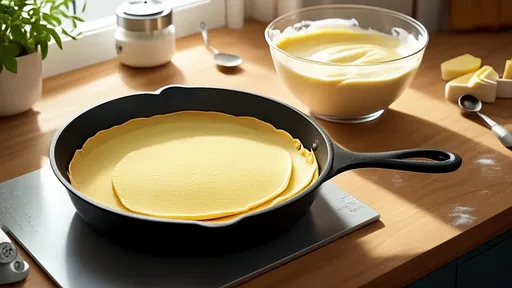
The visual cues of properly cooked crepes differ significantly from standard French versions. Rather than the classic golden lace edges, durian crepes should display uniform pale yellow surfaces with barely visible spotting - indicators that the natural sugars haven't caramelized excessively. This subtle coloring ensures the delicate durian flavor won't compete with burnt sugar notes, while maintaining the structural integrity needed for layering.
Resting the batter proves equally crucial as temperature control. Unlike traditional crepe batters that benefit from overnight rest, durian versions should only rest 30-45 minutes. The fruit's enzymatic activity continues altering the batter's chemistry during extended rests, potentially weakening gluten development and creating fragile crepes that tear during assembly. This shortened rest period represents one of the most counterintuitive aspects of durian crepe preparation that even experienced bakers often overlook.
Altitude adjustments form another layer of complexity often omitted from standard recipes. At higher elevations, water boils at lower temperatures, dramatically affecting how batters set. Bakers above 3,000 feet typically need to reduce liquid content by 10-15% and increase skillet temperatures by about 25°F to compensate for slower evaporation rates. These modifications prevent the gummy texture that plagues high-altitude durian crepes when prepared with sea-level recipes.
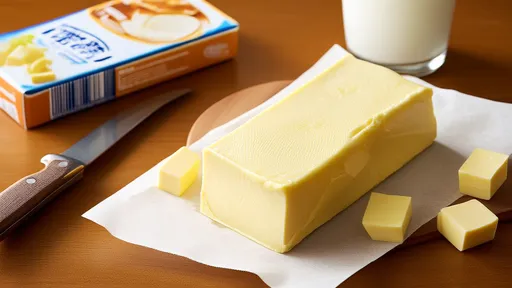
The choice of cooking fat interacts significantly with both temperature and batter consistency. While butter offers superior flavor, its low smoke point makes temperature control challenging. Many professional kitchens opt for clarified butter or neutral oils with higher smoke points, reserving regular butter solely for finishing brushes between layers. This compromise maintains flavor while providing the thermal stability needed for consistent results batch after batch.
Modern techniques have introduced silicone crepe rings to help home bakers achieve professional-looking edges, but these tools require precise temperature calibration. Set the skillet too low, and the batter seeps under the ring before setting. Too high, and the edges cook too quickly, preventing proper spreading. The ideal approach involves preheating with the ring in place, removing it briefly to pour batter, then immediately replacing it - a technique that demands practice but yields beautifully uniform layers.
Experimentation remains the ultimate teacher when balancing these variables. Keeping detailed notes on batter ratios, exact temperatures, and cooking times for each attempt helps identify patterns in what appears initially as culinary chaos. The reward comes when achieving that elusive perfect stack - tender, aromatic durian crepes that hold their structure without becoming chewy, allowing the king of fruits to shine in all its creamy, pungent glory.
By /Jun 18, 2025
By /Jun 18, 2025
By /Jun 18, 2025
By /Jun 18, 2025
By /Jun 18, 2025
By /Jun 18, 2025
By /Jun 18, 2025
By /Jun 18, 2025
By /Jun 18, 2025
By /Jun 18, 2025
By /Jun 18, 2025
By /Jun 18, 2025
By /Jun 18, 2025
By /Jun 18, 2025
By /Jun 18, 2025
By /Jun 18, 2025
By /Jun 18, 2025
