In the world of baking, few things are more frustrating than carefully preparing a cake or loaf only to have it stubbornly cling to the pan upon removal. Professional bakers understand that proper pan preparation isn't just a suggestion - it's the foundation upon which successful baked goods are built. The age-old techniques of greasing-and-flouring versus parchment paper lining each have their devoted followers, and mastering both methods separates adequate bakers from exceptional ones.
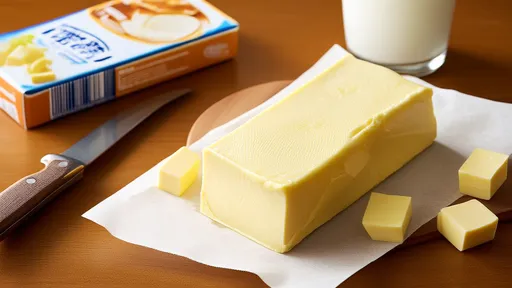
The traditional greasing-and-flouring method remains the go-to approach for many classic recipes. This technique begins with selecting the right fat - bakers debate endlessly over whether butter, shortening, or oil produces superior results. European-trained pastry chefs often swear by room-temperature butter applied with a pastry brush, creating an even layer that slightly grips the flour. American bakers frequently prefer vegetable shortening for its higher smoke point and neutral flavor. The key lies in applying just enough fat to coat every crevice without pooling, paying particular attention to corners and decorative indentations in specialty pans.
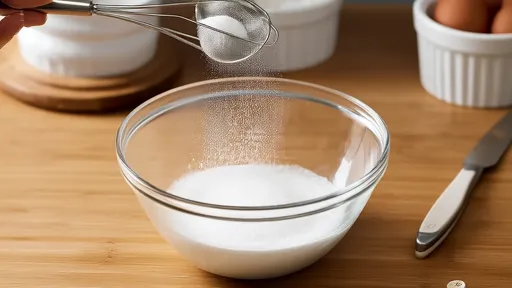
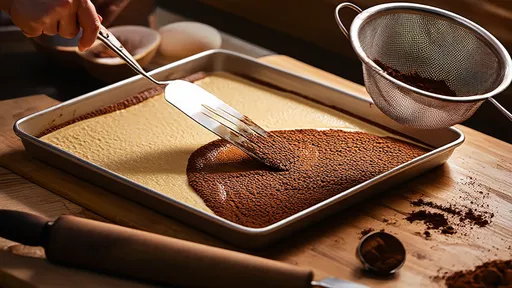
Once properly greased, the pan enters its second crucial stage - flour application. Professional kitchens often keep shakers filled with all-purpose flour specifically for this purpose. The art comes in tilting and rotating the pan to distribute an even dusting while gently tapping out excess. Some bakers advocate for alternative coatings like cocoa powder for chocolate cakes or finely ground nuts for certain tortes. This dual-layer defense creates a microscopic barrier that allows heat transfer while preventing adhesion, though it requires practice to achieve the perfect thin, even coating without clumping.
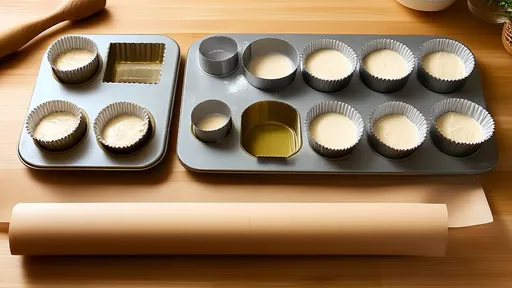
Parchment paper lining offers a more foolproof solution for many bakers, particularly when working with delicate sponges or sticky batters. The precision of parchment lies in its customization - a perfectly fitted liner eliminates all guesswork. Commercial bakeries typically use pre-cut parchment sheets, but home bakers must master the art of tracing and trimming. For round cakes, many professionals fold the paper into quarters before cutting to create flawless circles. Rectangular pans benefit from the "snip-and-tuck" method where diagonal cuts at the corners allow the paper to lie flat against the sides.
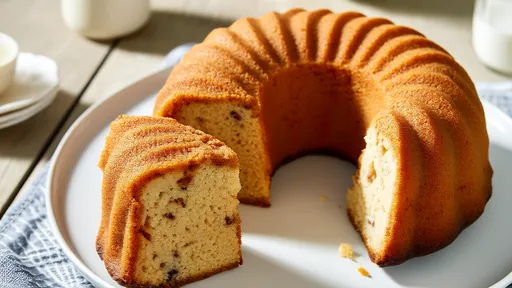
Specialty pans present unique challenges that test a baker's preparation skills. Intricate Bundt designs demand meticulous attention with a pastry brush to ensure every nook receives coverage. Some professionals swear by pastry brushes with stiffer bristles that can push fat into detailed patterns. For tube pans, many bakers employ the "double protection" method - greasing the entire surface but only flouring the inner tube and bottom where sticking proves most problematic. The recent popularity of silicone bakeware has introduced new considerations, as these surfaces often require different preparation than traditional metal.
Temperature plays an often-overlooked role in pan preparation effectiveness. Professional bakers know that greasing a pan while it's still warm from washing can cause the fat to break down. Conversely, chilling a greased pan before adding batter can improve release for certain high-fat cakes. The type of baked good also dictates preparation choices - pound cakes with their high butter content often release easily from properly greased pans, while lean bread doughs nearly always require parchment assistance.
Modern baking has introduced hybrid approaches that combine traditional methods with new products. Many professional kitchens now use bakery-grade pan sprays that combine oil and flour in one application. Some pastry chefs layer techniques, applying a thin grease coating beneath parchment for absolute insurance. The most meticulous decorators employ acetate strips for cheesecakes and tortes where pristine sides are essential. Each adaptation serves the ultimate goal: creating that perfect moment when the baked good slides free, revealing flawless surfaces ready for finishing.
Beyond functionality, pan preparation impacts a baked good's appearance and texture. A properly greased-and-floured pan yields golden, slightly crisp edges that many consider ideal for butter cakes. Parchment-lined pans produce more uniform coloring with softer sides, preferred for delicate genoise. Professional bakers often choose their method based on the visual presentation they aim to achieve, knowing the preparation affects how the crust forms during baking.
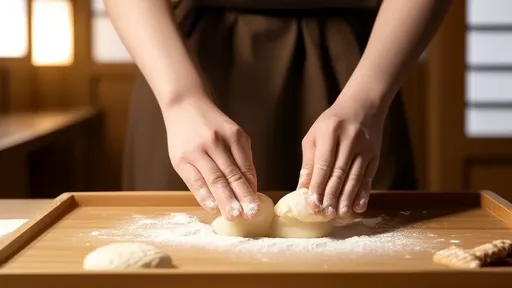
The debate between traditional greasing and parchment lining ultimately comes down to the specific requirements of each recipe and the baker's preference. Mastering both techniques, understanding their nuances, and knowing when to employ each method separates competent bakers from true artisans. In professional kitchens, this knowledge gets passed down through demonstration rather than recipes - the subtle wrist motion when flouring a pan, the precise angle for parchment trimming becoming second nature through repetition. These unspoken techniques form the quiet foundation upon which great baking rests.
By /Jun 18, 2025
By /Jun 18, 2025
By /Jun 18, 2025
By /Jun 18, 2025
By /Jun 18, 2025
By /Jun 18, 2025
By /Jun 18, 2025
By /Jun 18, 2025
By /Jun 18, 2025
By /Jun 18, 2025
By /Jun 18, 2025
By /Jun 18, 2025
By /Jun 18, 2025
By /Jun 18, 2025
By /Jun 18, 2025
By /Jun 18, 2025
By /Jun 18, 2025
