Air fryers have revolutionized home baking, offering a quicker and often healthier alternative to traditional ovens. Among the many treats you can whip up in these compact appliances, muffins stand out as a favorite. However, achieving that perfect, bakery-style muffin in an air fryer requires some finesse, particularly when it comes to temperature control and preventing unsightly cracks. Let’s dive into the nuances of air fryer muffin baking, exploring how to adjust time and heat for flawless results every time.
The Science Behind Air Fryer Baking
Unlike conventional ovens, air fryers circulate hot air at high speeds, creating a unique cooking environment. This intense airflow can lead to faster moisture evaporation, which is both a blessing and a curse for muffin batter. On one hand, it helps achieve a delightful rise and golden exterior. On the other, it can cause the tops to dry out too quickly, resulting in cracks or uneven texture. Understanding this balance is key to mastering air fryer muffins.
Most muffin recipes are designed for standard oven baking, where heat surrounds the batter evenly at a steady pace. When adapting these recipes for an air fryer, reducing the temperature by about 25°F (15°C) is often necessary. For example, if a recipe calls for 375°F (190°C) in a regular oven, setting your air fryer to 350°F (175°C) can prevent excessive browning while allowing the interior to cook through properly.
Timing Is Everything
Air fryers typically bake faster than traditional ovens due to their concentrated heat distribution. A batch of muffins that might take 20-25 minutes in an oven could be done in just 12-15 minutes in an air fryer. However, this shortened timeframe demands vigilance. Opening the basket to check for doneness around the 10-minute mark is advisable, but do so quickly to avoid significant heat loss.
One telltale sign of perfectly baked muffins is their springiness. Gently press the center of a muffin—if it bounces back without leaving an indent, it’s ready. Another method is the toothpick test: insert a toothpick into the thickest part; if it comes out clean or with a few moist crumbs (but no wet batter), your muffins are done. Remember, residual heat will continue cooking them slightly even after removal, so err on the side of slightly underdone rather than overbaked.
Preventing Cracks: Moisture and Mixing Techniques
Muffin tops cracking during baking is a common frustration, often caused by rapid moisture loss or overmixing the batter. In an air fryer’s intense environment, these issues are amplified. To combat this, consider these approaches:
First, ensure your batter has adequate moisture. Ingredients like yogurt, applesauce, or even a tablespoon of extra milk can help maintain hydration during the quick bake. However, balance is crucial—too much liquid can lead to dense, gummy muffins. The ideal batter should be thick enough to hold its shape when scooped but still slightly pourable.
Second, mix the batter just until the dry and wet ingredients are incorporated. Overmixing develops gluten, leading to tough muffins with peaked tops that are prone to cracking. A few lumps in the batter are perfectly fine and actually desirable. Fold in any mix-ins like berries or chocolate chips gently at the end to prevent overworking the dough.
The Importance of Proper Pan Preparation
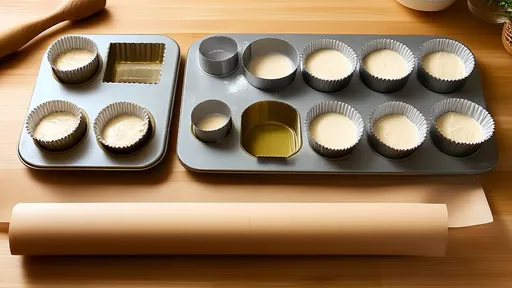
Unlike oven baking where you might rely on paper liners alone, air fryer muffins benefit from additional preparation to prevent sticking and promote even cooking. If using silicone molds, lightly greasing them ensures easy release. For metal pans, a light coating of non-stick spray followed by a dusting of flour creates a reliable barrier.
Space between muffins is another critical factor. Air fryer baskets are compact, but crowding the muffins impedes proper air circulation, leading to uneven baking. If your air fryer is small, bake in batches rather than trying to fit all the batter at once. This patience pays off in consistently textured results.
Post-Baking Care for Perfect Texture
How you handle muffins immediately after baking significantly impacts their final texture. Remove them from the air fryer basket or molds within a minute or two of baking to prevent steaming, which can make the bottoms soggy. Transfer to a wire rack to cool completely—this stops the cooking process and helps set the structure.
For those who prefer warm muffins, reheating them briefly in the air fryer for 1-2 minutes before serving restores that fresh-from-the-oven quality without drying them out. This method works particularly well for muffins stored in airtight containers, bringing back their just-baked aroma and slight crispness to the exterior.
Experimenting With Flavors and Variations
Once you’ve mastered the basic technique, the world of muffin variations opens up. The air fryer’s rapid cooking makes it ideal for testing small batches of experimental flavors. From savory options like cheddar and herb to sweet combinations like banana nut or double chocolate, the principles remain the same: monitor moisture content, avoid overmixing, and adjust baking times accordingly.
Remember that add-ins like fresh fruit or nuts may require slight temperature or time adjustments. Berries release juice during baking, potentially increasing moisture, while nuts can brown quickly at high heat. Making notes of successful adjustments helps build your personal air fryer muffin playbook for future batches.
Baking muffins in an air fryer might seem daunting at first, but with these insights into temperature control, timing, and technique, you’ll soon be producing bakery-quality results with minimal effort. The convenience and speed of air fryer baking, combined with these professional tips, make homemade muffins an achievable daily treat rather than a weekend project.
By /Jun 18, 2025
By /Jun 18, 2025
By /Jun 18, 2025
By /Jun 18, 2025
By /Jun 18, 2025
By /Jun 18, 2025
By /Jun 18, 2025
By /Jun 18, 2025
By /Jun 18, 2025
By /Jun 18, 2025
By /Jun 18, 2025
By /Jun 18, 2025
By /Jun 18, 2025
By /Jun 18, 2025
By /Jun 18, 2025
By /Jun 18, 2025
By /Jun 18, 2025
