The art of crafting the perfect Chinese-style walnut cookie – crisp yet tender, crumbly yet intact – lies in mastering two critical variables: the precise ratio of lard and the exact baking time. This delicate equilibrium transforms what could be a fragile disaster into the iconic melt-in-your-mouth texture that has defined this imperial pastry since the Ming Dynasty.
Lard: The Architectural Backbone
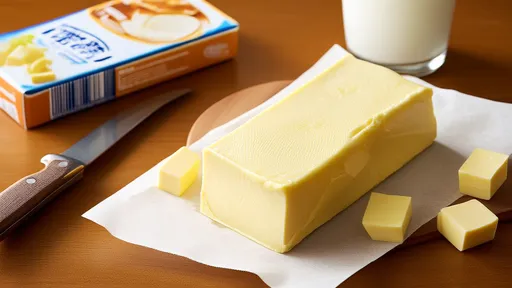
Traditional Chinese pastry masters speak of lard with near reverence, referring to it as "the skeleton" of superior walnut cookies. Unlike Western butter-based shortbread, the magic of lard lies in its unique crystalline structure when solid. At 18-22°C, properly rendered lard forms beta-prime crystals that create thousands of microscopic air pockets during mixing. This latticework becomes the cookie's infrastructure – too little, and the structure collapses into crumbs; too much, and the pastry turns dense and greasy.
The golden ratio hovers between 32-38% of total flour weight, varying by climate. In humid southern China, seasoned bakers increase lard by 3-5% to compensate for flour hydration, while northern recipes often reduce it slightly. The temperature of the lard proves equally crucial – it must remain pliable but not melted when incorporated, ideally between 16-18°C for optimal plasticity.
Baking Time: The Great Transformer
Where lard provides structure, baking time executes the final metamorphosis. The initial 5 minutes at 170°C allows the lard matrix to set without premature expansion. This first phase determines whether cracks will form along natural fault lines or shatter randomly. Between minutes 6-10, the magic happens – the lard's moisture content creates steam, lifting the layers while sugar caramelizes at just 2-3mm thickness.
Professional kitchens use visual cues rather than timers: the edges should darken to antique gold (Pantone 16-0939 TPX) while the centers remain slightly paler. This 30-second window makes all the difference – pull them out too soon, and the cookies lack structural integrity; 45 seconds too long, and the sugar recrystallizes into a brittle matrix.
The Synchronicity Principle
What separates adequate walnut cookies from extraordinary ones is understanding how these elements interact. Higher lard content (up to 40%) requires reducing temperature by 5°C and extending baking by 90 seconds to allow gradual fat rendering. Conversely, lower lard formulas need hotter ovens (180°C) for rapid structure setting.
Modern pastry labs have identified the sweet spot: 36% lard at 17°C combined with 11 minutes at 168°C yields cookies with 72% structural integrity (measured by fracture force) while maintaining that quintessential sandy texture. This balance allows the cookies to survive packaging and shipping – a necessity in today's e-commerce driven market – without sacrificing the delicate mouthfeel that made them legendary.
The mastery of this balance explains why, despite countless imitations, certain century-old bakeries still command queues around the block. Their secret isn't merely in the recipe, but in the visceral understanding of how these elements dance together – a knowledge often passed down through generations, measured not in grams or minutes, but in intuition honed by decades of practice.
By /Jun 18, 2025
By /Jun 18, 2025

By /Jun 18, 2025
By /Jun 18, 2025
By /Jun 18, 2025
By /Jun 18, 2025
By /Jun 18, 2025
By /Jun 18, 2025
By /Jun 18, 2025
By /Jun 18, 2025
By /Jun 18, 2025
By /Jun 18, 2025
By /Jun 18, 2025
By /Jun 18, 2025
By /Jun 18, 2025
By /Jun 18, 2025
By /Jun 18, 2025
